

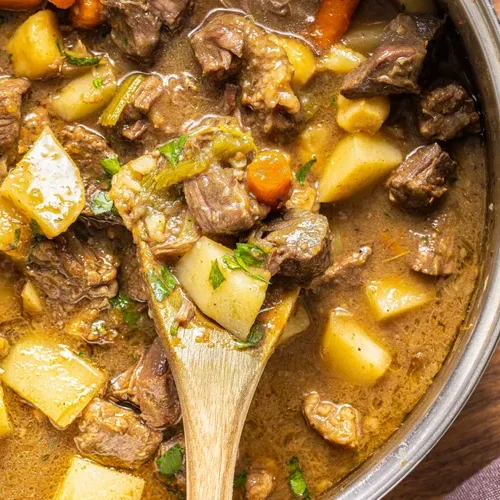
This Beef Stew Recipe is perfect for the colder weather! Tender beef is simmered in beef broth with potatoes, onions, celery, peas, and carrots until melt in your mouth tender. It’s comfort food heaven!
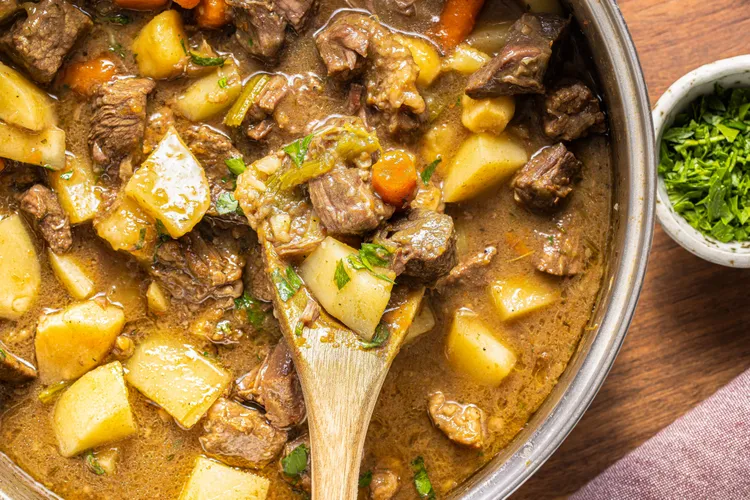
There’s nothing quite like a hearty bowl of beef and vegetable stew on a snowy winter’s night, but to be honest, I’d take it on a not-so-snowy summer’s night, too. Growing up in Florida, the concept of seasonal cooking was a bit foreign for me, living in a state that only has two seasons: very hot and less hot. Not wanting to be deprived of these classic wintertime delights, my mom would often make stews like this for two main reasons—they were inexpensive, a huge plus when feeding five kids, and they were delightfully hands off.
Boneless Chuck Roast for Thrift and Flavor
You might find that most beef stews call for short ribs, chuck roast, or “stew meat” (which is almost always chuck). The top choice for me is always boneless chuck roast and look for marbling if you can find it. Short ribs have tons of flavor and are super delicious, but these days, they also cost tons of money. This hardworking part of the cow’s shoulder is delightfully inexpensive, but it’s tough, not unlike human shoulders. So consider this long braise the equivalent of a good massage to make the beef more tender.
And yes, you can absolutely buy pre-cut pieces of beef. Even less work! Just be sure to pick through the package to make sure they’re all cut to about the same size: one-inch pieces are what you’re looking for. Any bigger and they won’t get tender in the cooking time.
How To Make Beef Stew
INGREDIENTS
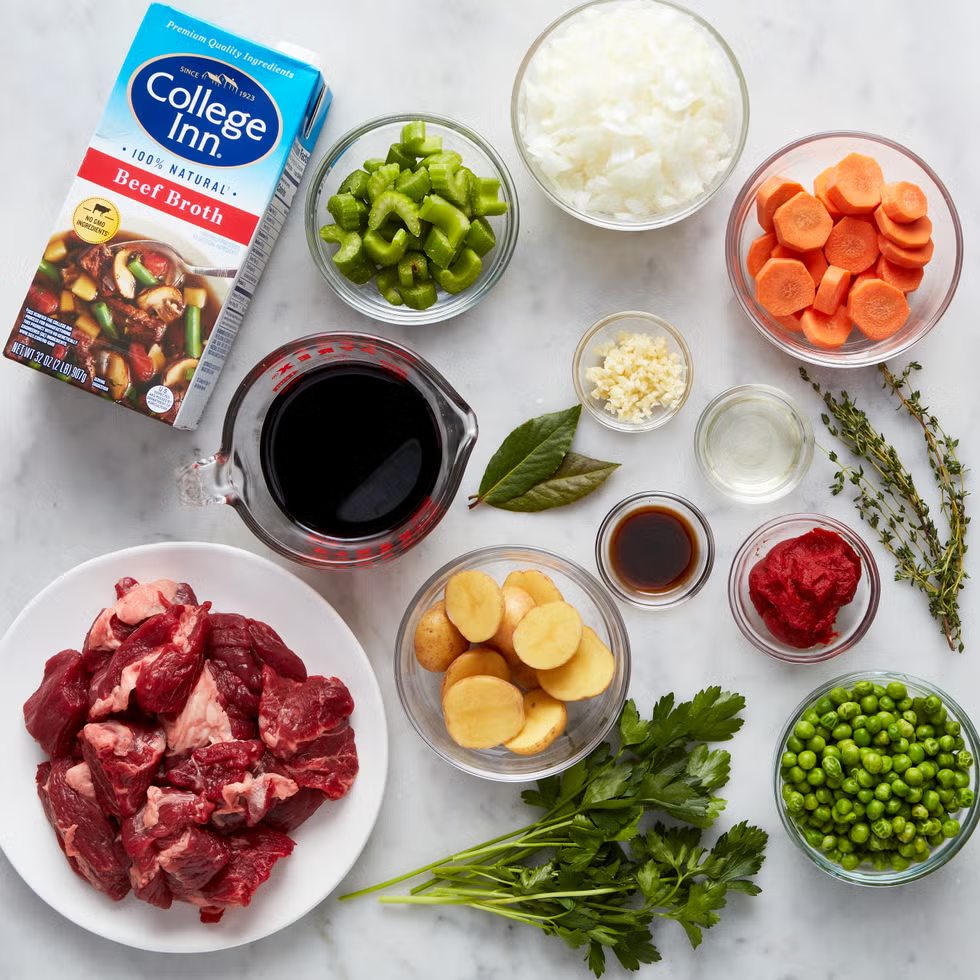
- Beef Chuck: Stew beef requires plenty of internal fat and connective tissue to allow it to turn tender rather than tough over long simmering. Chuck roast has ample quantities of both; plus, it has tons of beefy flavor.
- Onion, Carrots, Celery: This trio of veggies makes up what the French call a mirepoix. It’s the first line of flavor in a vast number of soups, stews, and braises. Cooked in oil until softened, it forms the aromatic flavor base upon which we’ll build our stew.
- Tomato Paste: Tomato paste is a pure umami bomb. I like to cook it until slightly darkened to give it a bit of caramelization that deepens its flavor and adds lovely color to the stew.
- Beef Broth: I stick with low-sodium broth, so I have more control over the salt level in the stew.
- Red Wine: Doesn’t have to be anything fancy. Just choose a dry red that you’d be happy to drink on its own. The wine brings some acidity that balances the richness of the stew.
- Worcestershire Sauce: You won’t taste the Worcestershire, but it’ll be there, working its magic, adding savoriness and amplifying the flavors of the stew.
- Baby Potatoes: These little cuties are great at holding their shape as they cook, and they have just enough starch to thicken the stew without added help from flour.
- Peas: In a stew as robust as this one, peas offer pops of bright, sweet flavor and a bit of textural contrast.
STEP-BY-STEP INSTRUCTIONS
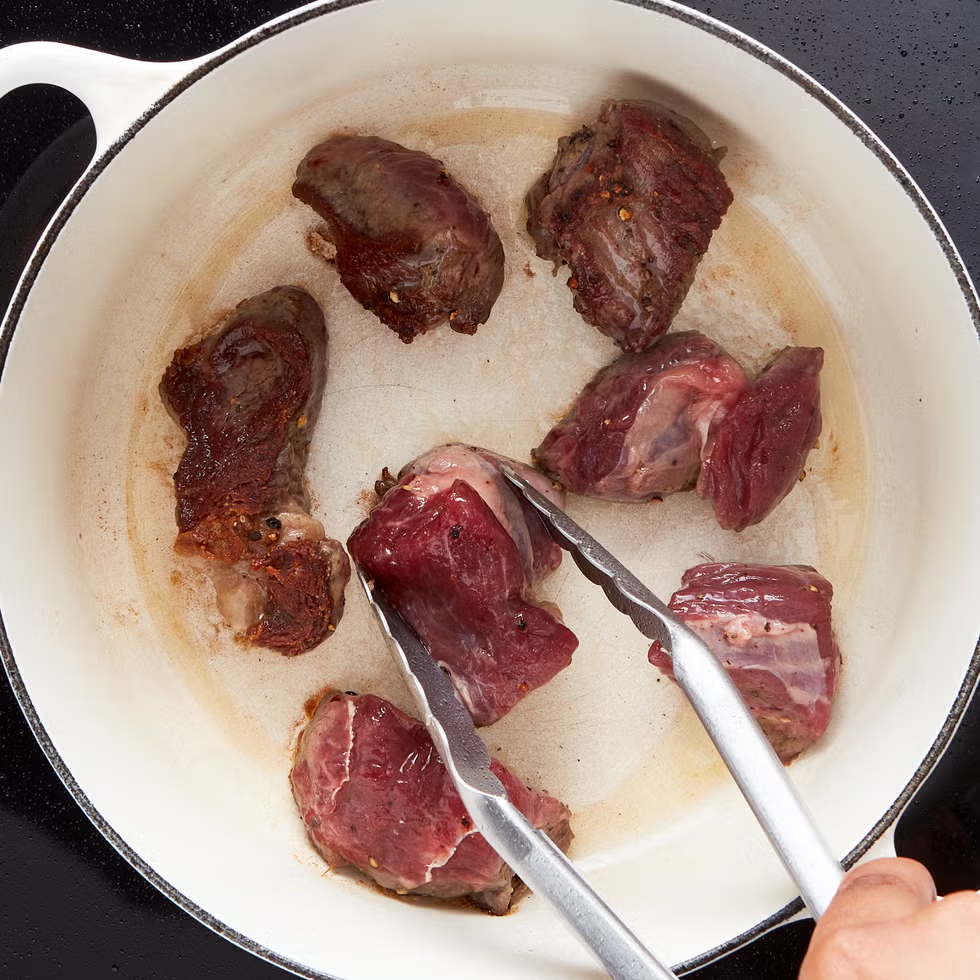
Start by searing the meat on all sides in a little oil in a large Dutch oven. Work in batches to give the beef some space; if crowded, it will steam rather than brown. Ten minutes per batch should be about enough; add a little more oil between batches if the pot looks dry. Browning the beef intensifies its flavor and creates lots of super-flavorful browned bits in the bottom of the pot, which we’ll incorporate into our stew. Transfer the beef to a plate
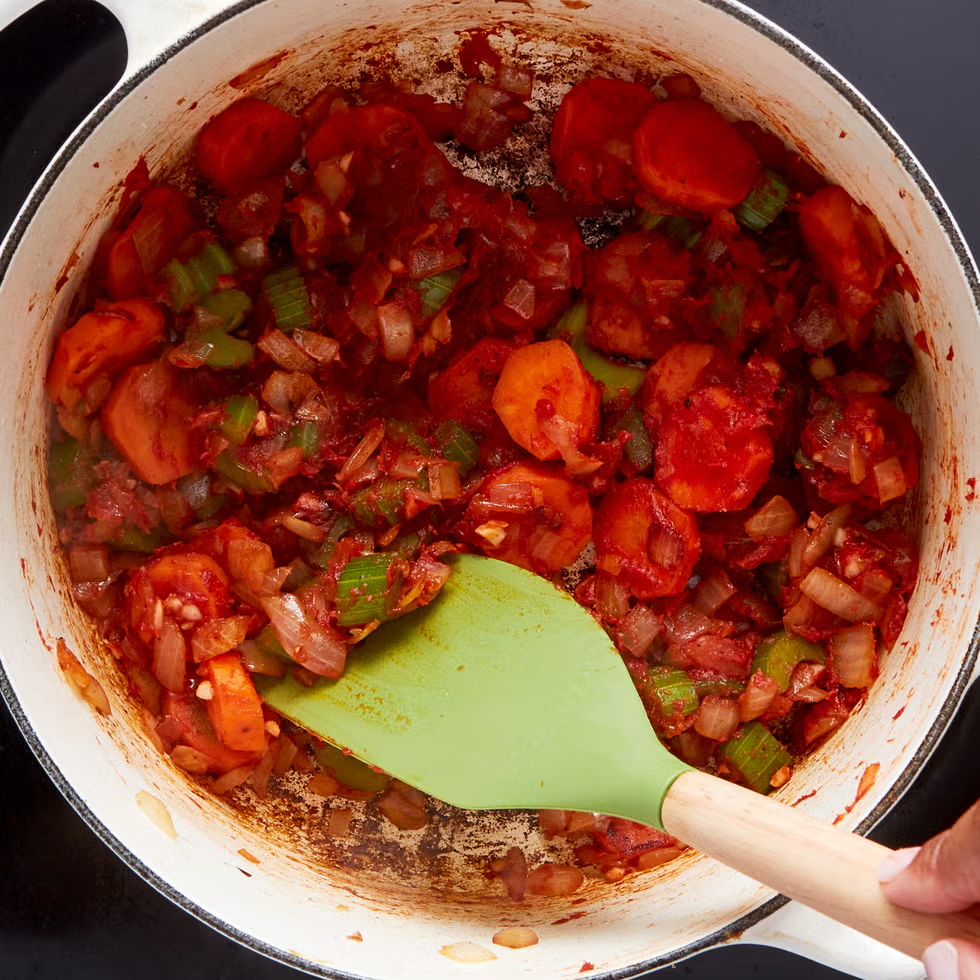
Next up, cook the mirepoix (onion, carrots, and celery) in the Dutch oven, stirring occasionally, until softened but not browned; season with salt and pepper. Add the garlic and tomato paste and cook until the paste is slightly darkened (a sign of caramelization).
Return the beef along with any accumulated juices (don’t waste them!) to the pot. Add the broth, wine, and herbs and bring to a boil, scraping the bottom of the pot with a wooden spoon to make sure all the browned bits become a part of the broth. Immediately reduce the heat so the stew is at a simmer. Season with salt and pepper. Cover the pot and simmer, stirring occasionally and adjusting the heat as needed to maintain a gentle simmer (boiling the stew will dry out and toughen the beef), until the beef is tender enough that you can easily slide a fork into it. This should take 30 to 45 minutes. If the beef still isn’t tender after 45 minutes, don’t sweat it. Just continue to simmer, adding more broth if needed, until it is fork-tender.
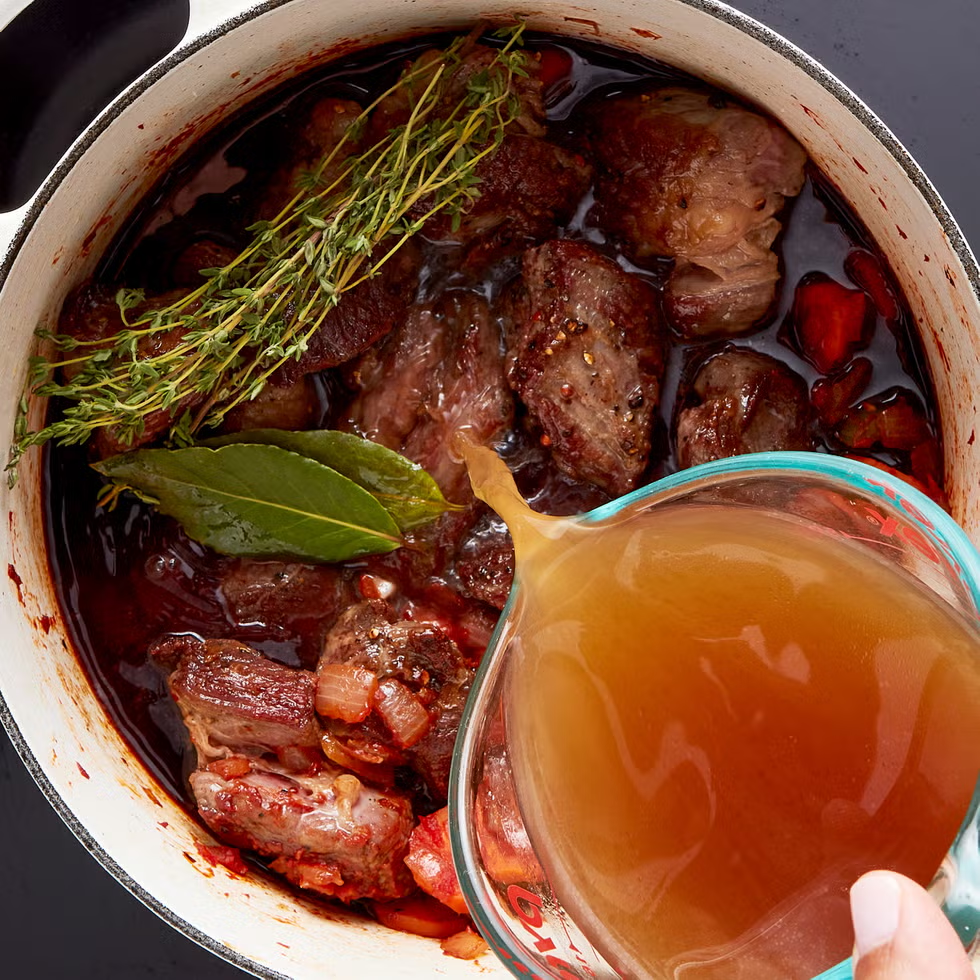
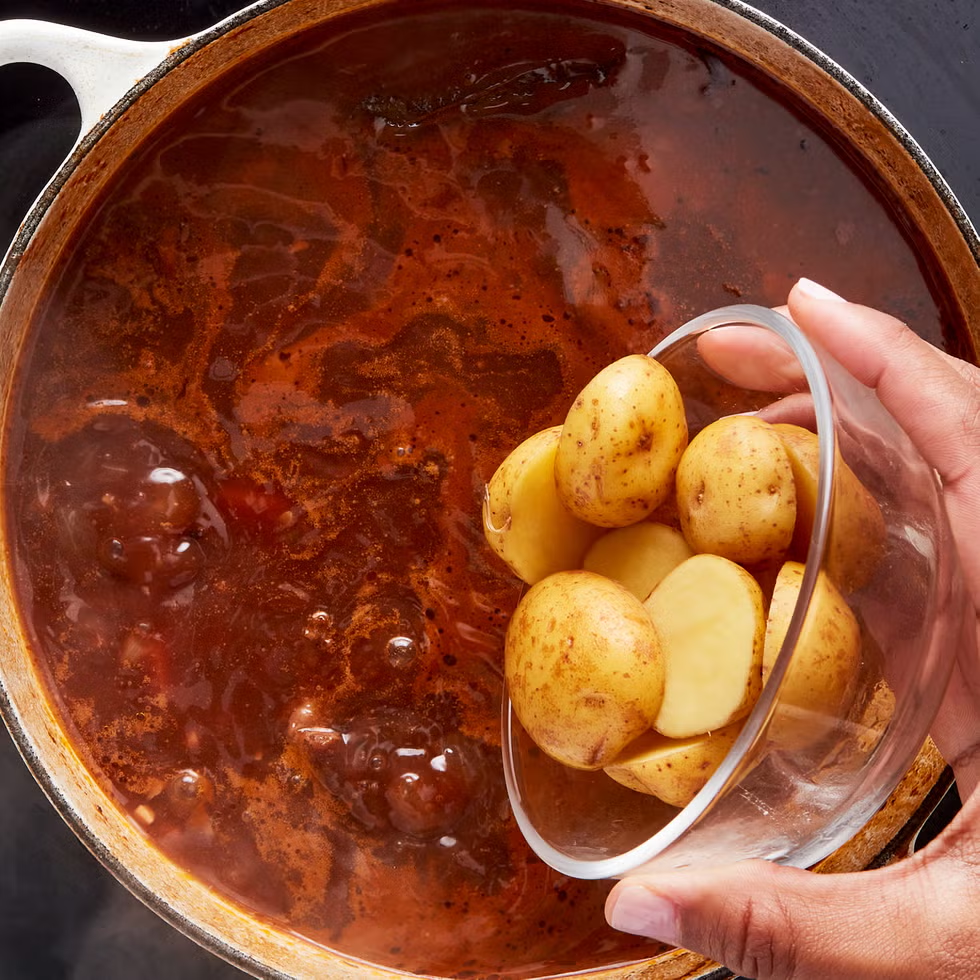
Add the potatoes to the pot and stir to submerge. Cover the pot and simmer until the potatoes are tender throughout, about 15 minutes.
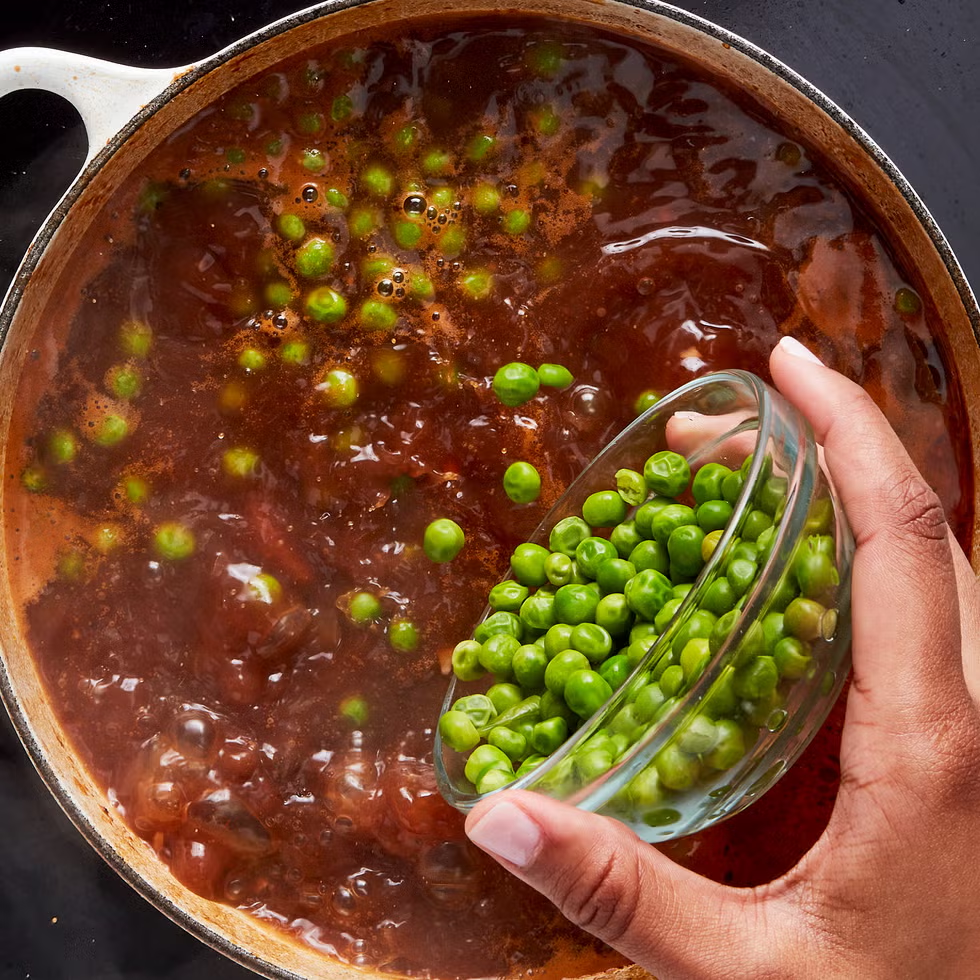
Pluck out the bay leaves and thyme sprigs and discard; their work is done. Add the peas and cook, stirring occasionally, just until warmed through, about 2 minutes; you want to leave them fresh-tasting and with a bit of pop.
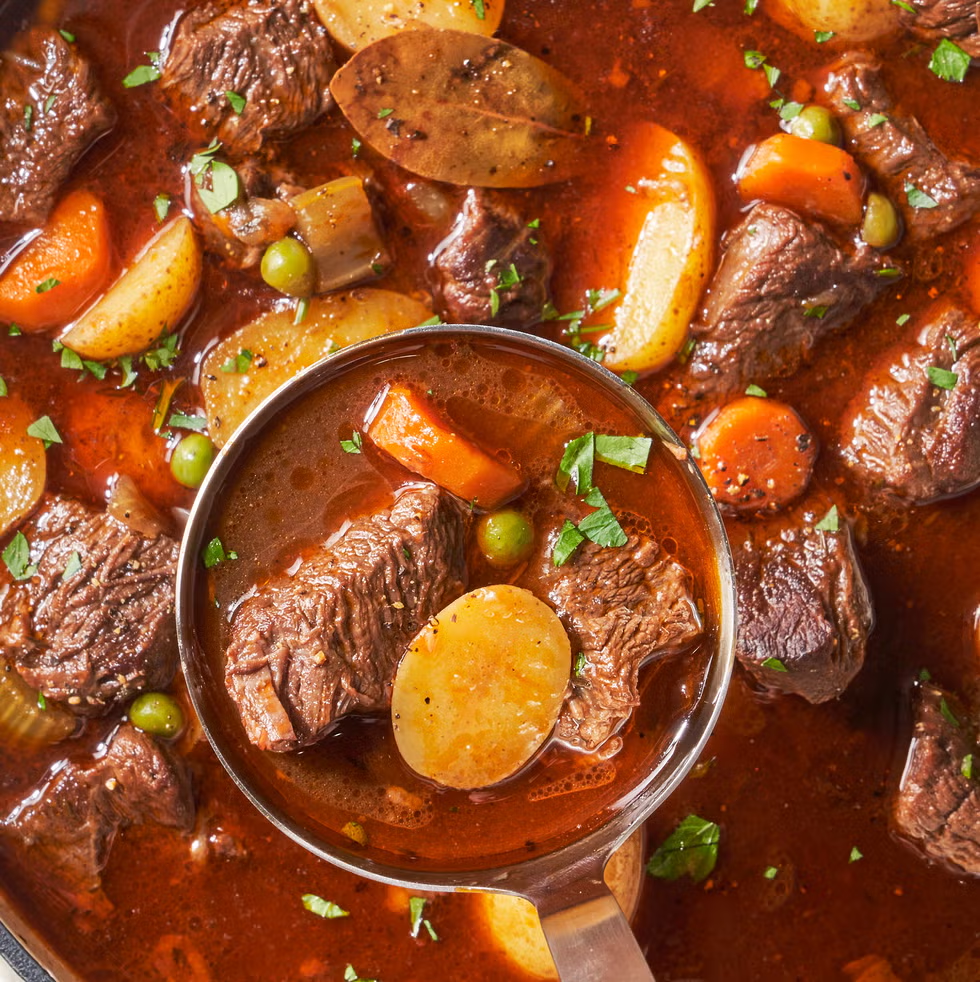
That’s it! Ladle the stew into bowls and top with chopped parsley for color and brightness.
Recipe Tips
- The best cut of meat for beef stew. I prefer beef chuck for a few reasons: It’s cheap, and it gets more tender the longer it cooks. Some quick-cooking cuts of meat (like sirloin) would get tough after simmering for 30 to 45 minutes. The opposite is true with beef chuck. If you find your beef isn’t tender after 45 minutes, continue simmering, adding more broth or water as needed.
- How to thicken beef stew. Some recipes require flour as a thickening agent, but I respectfully disagree. I found that as the soup simmers, the potatoes give off plenty of starch, creating some of the velvetiest broth I’ve ever had.
Storage
This is a recipe that’s almost better the next day—make it the night before, and let the flavors meld together for an extra-flavorful meal the day after. If you have any leftovers (or want to make this meal ahead of time), let the stew cool to room temperature before refrigerating in an airtight container for up to 4 days. Before serving, reheat in a large pot over medium-low heat. If it’s particularly thick, loosen it up with some broth or water.
Beef Stew Recipe
Ingredients
- 3 pounds well-marbled beef chuck stew meat, cut into 1-inch pieces
- 1 tablespoon plus 1 teaspoon kosher salt, divided, plus more to taste
- 3 tablespoons olive oil
- 5 ribs celery, cut into 1-inch pieces (about 2 cups)
- 1 medium onion, chopped (about 1 cup)
- 4 medium carrots, peeled and cut into 1-inch pieces (about 2 cups)
- 2 medium parsnips, peeled and cut into 1-inch pieces (about 1 cup)
- 1/2 teaspoon freshly ground black pepper
- 1 tablespoon finely chopped fresh thyme leaves
- 1 tablespoon all-purpose flour
- 4 cups beef broth (see recipe note)
- 2 cups water
- 1 tablespoon balsamic vinegar
- 1 tablespoon Worcestershire sauce
- 1 1/2 pounds russet potatoes, peeled, cut into 1-inch pieces (about 3 cups)
- 1/4 cup chopped fresh parsley leaves
Instructions
Cook the beef:
- In a large bowl, season the beef pieces with 1 tablespoon of the salt. Heat the olive oil in a large (6 to 8 quart), thick-bottomed pot over high heat.Add the beef all at once and cook, stirring occasionally, until the meat is no longer pink and some liquid has accumulated at the bottom of the pot, about 10 minutes.
Add the vegetables:
- Add the celery, onion, carrots, and parsnips. Reduce heat to medium-high. Season with remaining teaspoon of salt and 1/2 teaspoon pepper. Cook, stirring occasionally, until most of the liquid has evaporated and vegetables are slightly softened, about 10 minutes more. Add the thyme and flour, stir, and cook until raw flour is no longer visible, about 30 seconds.
Add the broth and simmer:
- Add the beef broth, water, balsamic vinegar, and Worcestershire sauce. Bring mixture to a boil, then reduce heat to medium-low and cook, partially covered and stirring every 20 minutes or so, until stew has darkened and thickened slightly, about 1 hour.
Add the potatoes and finish:
- Add potatoes to the stew, stir well, and continue to simmer until the potatoes and beef are tender, about 30 minutes. Season to taste, transfer to serving bowls, sprinkle with parsley, and serve.Refrigerate leftovers, tightly covered, for up to 5 days.
Notes