

Roast Turkey Recipe: A Classic Holiday Favorite
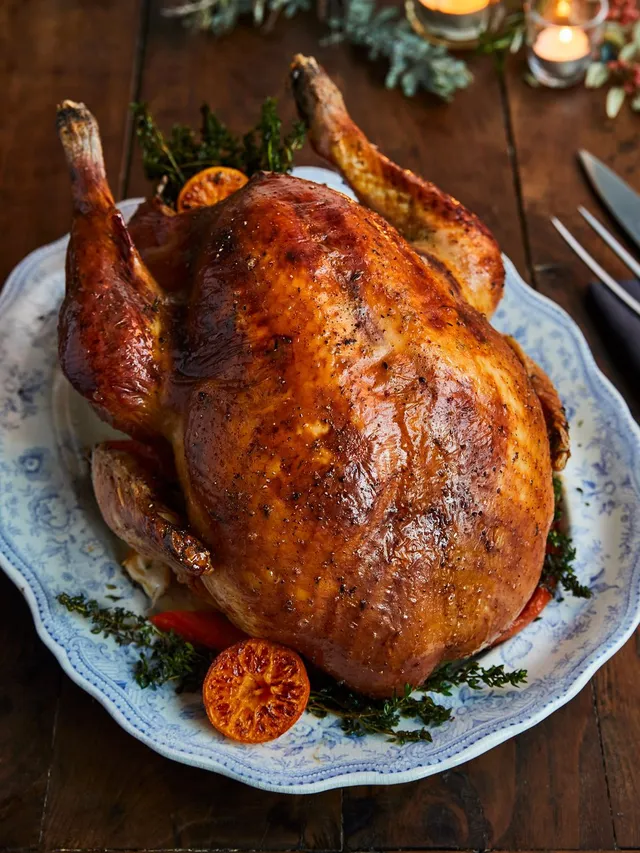
Roast turkey is a timeless centerpiece for festive meals and family celebrations. It is especially popular during Thanksgiving and Christmas. A perfectly prepared turkey brings a special touch to the dinner table. This recipe uses a flavorful herb butter to help keep the breast meat moist and tender. Fresh lemon thyme and clementines add a fragrant, citrusy note. A bed of vegetables beneath the turkey also helps create a flavorful base for homemade gravy.
Although roasting a whole turkey may seem intimidating, a little preparation makes the process easier. With the right oven temperature, careful timing, and enough resting time, you can prepare a delicious turkey for your guests.
Why You’ll Love This Roast Turkey Recipe
-
Perfect for celebrations: A whole roasted turkey makes an impressive centerpiece for holiday dinners.
-
Flavorful herb butter: Butter infused with fresh thyme and clementine zest adds fragrant flavor.
-
Juicy and tender meat: Butter beneath the skin helps keep the breast meat moist during roasting.
-
A flavorful gravy base: Vegetables and optional turkey giblets add depth to the roasting tray juices.
-
Great for entertaining: Resting the turkey before carving gives you time to finish the remaining dishes.
Ingredients for Roast Turkey
Each ingredient contributes flavor, moisture, or aroma to this traditional roast turkey recipe.
-
Whole turkey: Use one 7 kg higher-welfare turkey.
-
Stuffing: Prepare 250 g of meat stuffing for the neck cavity.
-
Unsalted butter: Use 250 g of softened butter to create the herb butter.
-
Lemon thyme: A 30 g bunch adds a fresh, fragrant herbal flavor.
-
Clementines: Two clementines provide citrus aroma and freshness.
-
Olive oil: A tablespoon helps coat the turkey before roasting.
-
Turkey giblets: These are optional but add flavor to the roasting tray.
-
Onions: Two onions help build a savory base.
-
Carrots: Two carrots add sweetness to the vegetables.
-
Celery or leek tops: Use two celery sticks or leek tops from the stuffing preparation.
-
Garlic: Half a bulb adds a rich, aromatic flavor.
You will also need sea salt and freshly ground black pepper for seasoning.
How to Prepare Roast Turkey
1. Prepare the Vegetable Trivet
Check the turkey cavity and remove the giblets if they are included. Discard the packaging and place the giblets in a large roasting tray if using them.
Peel the onions and wash the carrots. Roughly chop them with the celery or leek tops. Add these vegetables and the unpeeled garlic cloves to the tray. They will form a flavorful base beneath the turkey.
2. Stuff the Turkey
Place the prepared meat stuffing into the neck cavity. Pull the skin back over the stuffing and tuck it underneath the bird.
Avoid overfilling the main cavity later in the preparation. Leaving enough space allows hot air to circulate more freely.
3. Make the Herb Butter
Place the softened butter on a board. Add three sprigs of lemon thyme and finely grate the zest of half a clementine over it.
Season with sea salt and freshly ground black pepper. Mix everything together until the herbs and zest are evenly distributed throughout the butter.
4. Add the Clementines and Thyme
Cut both clementines in half. Place them inside the main turkey cavity with the remaining thyme.
Keep the cavity loosely filled rather than packing it tightly. This helps maintain space for air circulation during roasting.
5. Spread the Butter Beneath the Skin
Gently slide a spatula between the turkey skin and breast meat. Work carefully to create a pocket without tearing the skin.
Push the herb butter into the pocket and spread it across the breast meat from the outside. Repeat on the other side to distribute the butter as evenly as possible.
6. Season and Cover
Drizzle the turkey with one tablespoon of olive oil. Season generously with salt and black pepper, covering all sides.
Place the turkey on top of the vegetable trivet in the roasting tray. Cover it snugly with heavy-duty aluminum foil.
7. Roast the Turkey
Remove the turkey from the refrigerator about one hour before roasting. Preheat the oven to 180°C (350°F/Gas Mark 4).
For a higher-welfare bird, the supplied method recommends approximately 25–30 minutes per kilogram. A standard bird may require around 35–40 minutes per kilogram. For a 7 kg turkey, these estimates differ considerably, so use them only as initial guidance rather than a guaranteed cooking time.
Baste the turkey several times with the juices in the tray. Once the skin becomes beautifully golden, cover it with foil to help prevent excessive browning.
Important food safety note: Do not rely on clear juices alone to determine whether turkey is cooked. Check the thickest parts of the breast and thigh with a food thermometer, avoiding the bone. The turkey should reach at least 74°C (165°F) throughout, including any stuffing cooked inside the bird. Follow current local food-safety guidance and allow extra cooking time if needed.
8. Rest the Turkey
Transfer the cooked turkey to a platter and let it rest before carving. Carefully tilt the bird with suitable utensils so the cavity juices drain into the roasting tray.
Resting for around 30–45 minutes is practical for many roast turkeys, although the supplied recipe allows up to two hours. If holding it for an extended period, keep the turkey at a safe hot-holding temperature rather than leaving it at room temperature.
Meanwhile, skim the excess fat from the roasting tray juices. Reserve the fat in a suitable container if you wish to use it for future cooking.
9. Carve and Serve
Place the rested turkey on a sturdy cutting board. Remove the wings and legs first. Slice the leg meat or pull it away from the bone.
For the breast, use a sharp carving knife and smooth strokes to cut even slices. Arrange the meat on a serving platter and serve with your favorite holiday sides and gravy.
Alternatively, remove each breast half from the bone before slicing. This method can make it easier to produce neat, even slices for serving.
Tips for the Best Roast Turkey
-
Plan ahead: Allow enough time for preparation, roasting, and resting.
-
Use softened butter: Soft butter is easier to mix with herbs and spread beneath the skin.
-
Avoid overfilling the cavity: Leave room for air to circulate.
-
Baste carefully: Use the pan juices to help flavor the turkey during roasting.
-
Monitor browning: Cover the turkey with foil if the skin becomes golden before the meat is cooked.
-
Use a thermometer: This is more reliable than judging doneness by appearance or juice color.
-
Rest before carving: Resting helps the meat remain juicy and makes carving easier.
What to Serve with Roast Turkey
Roast turkey pairs beautifully with traditional holiday side dishes. Serve it with roasted potatoes, mashed potatoes, seasonal vegetables, or a fresh green salad.
Stuffing, cranberry sauce, and rich homemade gravy also complement the savory flavor of the turkey. For a festive spread, add roasted carrots, Brussels sprouts, or your favorite family sides.
Choose a combination of dishes that suits your guests and the occasion. A few well-prepared sides can make the meal feel complete without overwhelming the table.
How to Store Leftover Roast Turkey
Allow leftover turkey to cool slightly, then refrigerate it promptly in shallow, airtight containers. Refrigerate within two hours of cooking and use within three to four days.
For longer storage, freeze the carved turkey in airtight, freezer-safe containers or bags. Label each portion with the date and thaw it safely in the refrigerator before reheating.
Reheat leftovers until they reach 74°C (165°F). Add a little gravy or broth to help prevent the meat from drying out.
Frequently Asked Questions
How long does it take to roast a 7 kg turkey?
Cooking time depends on the type of turkey, oven performance, and whether the cavity is stuffed. Use the recipe’s timing as a starting estimate, but confirm doneness with a food thermometer.
Should I put butter under the turkey skin?
Yes. Spreading herb butter beneath the skin helps flavor the breast meat and supports a moist result. Work gently to avoid tearing the skin.
Why should roast turkey rest before carving?
Resting allows the meat to settle after cooking and makes carving easier. It also helps reduce the amount of juice lost when the turkey is sliced.
Can I prepare the turkey ahead of time?
You can prepare the vegetable trivet and herb butter in advance. Keep prepared ingredients refrigerated, and handle raw turkey carefully. Before roasting, follow the recipe’s preparation steps and ensure the turkey is cooked thoroughly.
Final Thoughts
This classic Roast Turkey is a wonderful choice for Thanksgiving, Christmas, and special family dinners. Herb butter, fresh thyme, and clementines bring fragrant flavor to the bird. Meanwhile, the vegetable trivet provides a delicious foundation for the roasting juices.
With careful preparation, a food thermometer, and enough time to rest before carving, you can serve a beautiful turkey that feels worthy of the occasion. Pair it with your favorite sides and gravy for a comforting holiday meal everyone can enjoy.

Roast Turkey Recipe
Ingredients
- 1 x 7kg higher-welfare turkey
- 250 g stuffing from the Meat stuffing recipe
- 250 g unsalted butter softened
- 1 bunch lemon thyme 30g
- 2 clementines
- olive oil
- Trivet
- turkey giblets optional
- 2 onions
- 2 carrots
- 2 sticks celery or green leek tops from the stuffing
- ½ bulb of garlic
Instructions
- You will need: 1 large roasting tray
- Check the main turkey cavity for the bag of giblets; if they’re in there, remove and tip them into your roasting tray, discarding the bag. The added flavour they’ll give your gravy will be incredible – trust me.
- Peel the onions, wash the carrots and roughly chop with the celery or the leek tops, then add to the tray with the unpeeled garlic cloves.
- Place your stuffing in the neck cavity, then pull the skin back over it and tuck it under the bird. You’ll get a good contrast between the soft, juicy stuffing here inside the turkey, and the crispier stuff you can bake separately in a dish.
- Place the softened butter on a board and press down with your hands. Pick over 3 sprigs of thyme, finely zest ½ a clementine and season with sea salt and freshly ground black pepper, and scrunch all together to make your flavoured butter.
- Halve the clementines and place in the main turkey cavity with the remaining thyme – not filling it too full allows hot air to circulate, cooking the bird from the inside out and from the outside in.
- Get your turkey and use a spatula to work your way between the skin and the meat. Start at the side of the cavity just above the leg and work gently up towards the breastbone and towards the back so you create a large cavity. Pick up your butter and push it into the cavity you’ve created. Use your hands to push it through the skin right to the back so it coats the breast meat as evenly as possible. Do the same on the other side.
- Drizzle the turkey all over with 1 tablespoon of olive oil and generously sprinkle from all sides with salt and pepper.
- Cover the turkey snugly with tin foil and place it on top of the trivet in the tray.
ON THE DAY
- Take your turkey out of the fridge 1 hour before it’s due to go in the oven.
- Preheat the oven to 180°C/350°F/gas 4.
- You want to cook a higher-welfare bird for 25 to 30 minutes per kg and a standard bird is 35 to 40 minutes per kg. For a 7kg bird, cook it for just under 3 hours, basting several times with all the lovely juices in the tray and covering with foil when beautifully golden brown.
- The simplest way to check it’s cooked is to stick a knife into the thickest part of the thigh – if the juices run clear, it’s done.
- Use heavy-duty tongs to lift up your bird so all the juices run from the cavity into the tray, then transfer the turkey to a platter and leave to rest for up to 2 hours while you crack on. You can cover it with a double layer of tin foil and a clean tea towel to keep warm, if you like.
- Skim away the fat from the turkey tray, save it in a jar, and leave to cool. When cold, transfer to the fridge for cooking with at a later date.
CARVING THE TURKEY
- Once the turkey has rested, it’s time to carve. There are two ways you can do this.
- The first method is to remove the wings, slice the skin beside the legs, then pull out and chop the legs off. You can either slice or pull this brown meat – it’s so tasty. Keep it warm while you move on to the breast meat. Use the full length of the knife in a nice smooth action to slice through the breast meat, transferring it to a platter as you go.
- Alternatively, remove the leg as above, then feel where the backbone is and cut with the length of your knife all the way down beside it until you hit the carcass. You can then lift the whole breast off the bone. Remove to a board and slice.
Notes
Top Tip